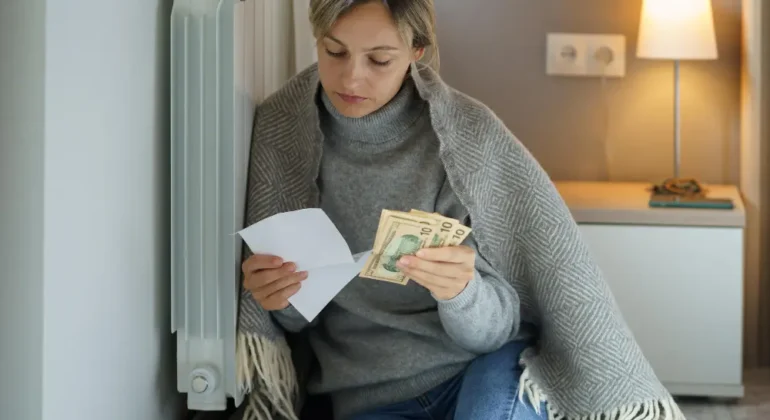
Rising energy prices have made many UK homeowners look for effective ways to reduce energy bills while maintaining comfort during colder months.
Improving how your home retains heat can make a significant difference to long-term energy consumption and overall living conditions.
From simple daily habits to structural property upgrades, there are several practical steps that can help lower household heating costs.
Improve home insulation to reduce heat loss
One of the most effective ways to lower energy bills is to improve overall house insulation performance.
Heat can escape through walls, roofs, windows and floors, especially in older UK properties built before modern insulation standards were introduced.
Key insulation improvements may include:
- External wall insulation for solid wall homes
- Loft insulation upgrades
- Improved window sealing and draught reduction
- Floor insulation where applicable
Reducing heat loss allows heating systems to operate more efficiently, helping homeowners maintain comfortable indoor temperatures with less energy use.
Upgrade heating controls and thermostats
Modern heating controls can help manage energy consumption more efficiently.
Simple improvements include:
✔ Installing programmable thermostats
✔ Using smart heating controls to regulate room temperatures
✔ Lowering thermostat settings slightly without affecting comfort
✔ Heating occupied rooms rather than the entire property
Better heating control strategies can reduce unnecessary energy use while maintaining a comfortable living environment.
Reduce draughts and improve airtightness
Uncontrolled air leakage is a common cause of wasted heating energy in UK homes.
Practical measures include:
- Sealing gaps around windows and doors
- Installing draught excluders
- Improving chimney draught control where fireplaces are unused
- Checking loft hatches and service penetrations
Improving airtightness helps prevent warm air escaping and cold air entering the property.
Use energy-efficient habits in daily life
Small behavioural changes can also contribute to reducing energy consumption.
Examples include:
✔ Using heating timers effectively
✔ Avoiding overheating rooms
✔ Closing curtains during colder evenings
✔ Maintaining boilers and heating systems regularly
While these steps may seem minor individually, together they can support meaningful energy savings over time.
Consider long-term property improvements
For many homeowners, structural improvements such as external wall insulation offer the most significant long-term reduction in energy costs.
By improving the thermal performance of external walls, insulation upgrades can help:
- Stabilise indoor temperatures
- Reduce reliance on constant heating
- Improve overall property energy efficiency
- Enhance comfort during winter months
These upgrades may represent a larger initial investment but can contribute to long-term savings and improved property value.
Speak to insulation specialists about reducing energy bills
If you are concerned about rising heating costs and want practical advice tailored to your property, a professional insulation assessment can help identify the most effective improvement options.