
Many homeowners only consider insulation upgrades after experiencing consistently high heating bills or uncomfortable indoor temperatures.
However, there are several early signs your home needs insulation that can indicate heat loss issues long before they become costly.
Recognising these warning signs can help you take practical steps to improve energy efficiency, comfort and long-term property performance.
High energy bills despite normal heating use
One of the most common indicators of poor insulation is rising heating costs without a clear change in usage.
If your energy bills continue to increase even though:
- You use heating in a similar way each year
- Your boiler and heating system are functioning correctly
- Outdoor temperatures are not significantly colder
your home may be losing heat through poorly insulated walls, roof or floors.
Improving overall house insulation performance can help heating systems work more efficiently and reduce unnecessary energy consumption.
Cold internal walls and uneven room temperatures
If certain rooms feel colder than others or external walls feel noticeably cold to the touch, this may indicate insufficient insulation.
Common symptoms include:
✔ Rooms that take longer to warm up
✔ Rapid heat loss once heating is turned off
✔ Cold spots near external walls or corners
✔ Difficulty maintaining stable indoor temperatures
These issues are often associated with solid wall properties built before modern insulation standards were introduced.
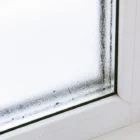
Condensation and damp-related problems
Poor insulation can contribute to surface condensation forming on cold internal walls.
Over time, this may lead to:
- Mould growth in corners or behind furniture
- Peeling paint or damaged plaster finishes
- Persistent damp smells
- Reduced indoor air quality
Addressing insulation performance can help stabilise internal wall temperatures and reduce the likelihood of condensation issues.
Draughts and noticeable heat loss areas
Uninsulated or poorly insulated properties may experience noticeable draughts and heat loss around:
- Window and door frames
- Floor edges
- Loft access points
- External wall junctions
While minor draught-proofing measures can help, larger structural heat loss often requires professional insulation improvements.
Older property construction without modern insulation
Many UK homes built before the 1970s were constructed without adequate thermal protection.
Typical examples include:
- Victorian and Edwardian terraced houses
- Early semi-detached suburban homes
- Solid brick or block wall properties
Installing professional external wall insulation can significantly improve comfort levels and overall energy efficiency in these types of buildings.
Difficulty keeping your home warm in winter
If your heating system runs frequently but the property still feels cold, the issue may not be the heating equipment itself.
Heat loss through external walls can make it difficult to maintain comfortable indoor temperatures, particularly during colder months.
Upgrading insulation performance can help create a more stable and comfortable living environment.
Speak to insulation specialists about improving your home performance
If you recognise several of these warning signs, a professional insulation assessment can help identify practical improvement options tailored to your property.