Some homeowners worry about condensation after insulation, particularly when improving the thermal performance of older properties.
While insulation is designed to make homes warmer and more energy efficient, incorrect installation or poor ventilation planning can sometimes contribute to moisture-related issues.
Understanding how condensation forms and how professional insulation systems manage moisture can help homeowners make informed decisions.
Why condensation can occur in insulated homes
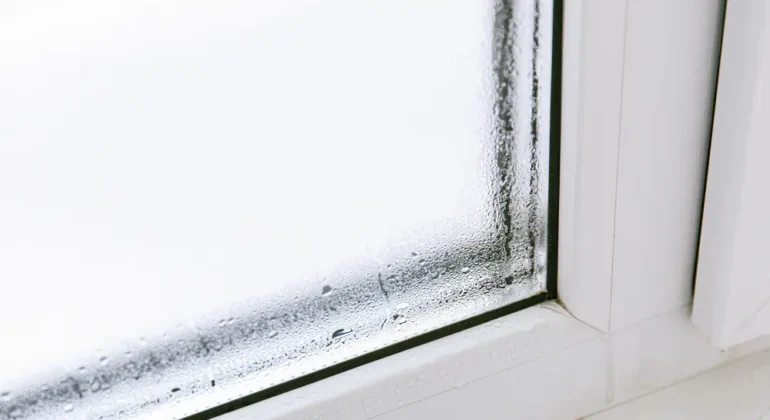
Condensation forms when warm indoor air meets colder surfaces and moisture in the air turns into water droplets.
After insulation improvements, changes in internal temperature balance and air movement may highlight existing ventilation problems rather than create new ones.
Common causes of condensation include:
- High indoor humidity from cooking, bathing or drying clothes
- Poor ventilation in kitchens and bathrooms
- Blocked air circulation behind furniture
- Existing cold bridges or structural thermal gaps
In many cases, condensation issues were already present but became more noticeable once heating patterns or wall temperatures changed.
Does external wall insulation cause condensation
Professionally installed external wall insulation systems are designed to help reduce condensation risk rather than increase it.
By raising the temperature of internal wall surfaces, insulation can help minimise the conditions that allow moisture to form.
However, condensation may still occur if:
- Ventilation is insufficient
- Moisture generation inside the property is high
- Existing damp issues were not addressed before installation
- Incorrect insulation specification or detailing was used
A technical property assessment helps identify these factors before insulation work begins.
How modern insulation systems manage moisture
Modern insulation materials and render finishes are engineered to remain breathable while protecting the building facade from external moisture.
Key performance features include:
✔ Vapour permeability allowing internal moisture to escape
✔ Weather-resistant render coatings preventing rain penetration
✔ Continuous insulation layers reducing cold bridging
✔ Improved internal wall surface temperatures
These characteristics help support a healthier indoor environment when combined with adequate ventilation.
Preventing condensation problems after insulation upgrades
Homeowners can take practical steps to minimise condensation risk following insulation improvements.
Recommended measures include:
- Using extractor fans in kitchens and bathrooms
- Ensuring trickle vents and ventilation openings remain unobstructed
- Avoiding drying clothes indoors without ventilation
- Maintaining consistent indoor heating levels
- Allowing air circulation behind large furniture placed against external walls
A balanced approach combining insulation performance and ventilation management helps achieve the best results.
When to seek professional advice
If you notice persistent condensation, mould growth or damp-related symptoms after insulation work, it is advisable to seek professional guidance.
An experienced insulation contractor can assess:
- Ventilation performance
- Insulation detailing
- Potential cold bridge areas
- Structural moisture issues
Early assessment helps prevent minor moisture problems from developing into more serious building defects.
Speak to insulation specialists about moisture management
If you are considering insulation upgrades or want advice about condensation risks in your property, our team can provide practical guidance based on real project experience.